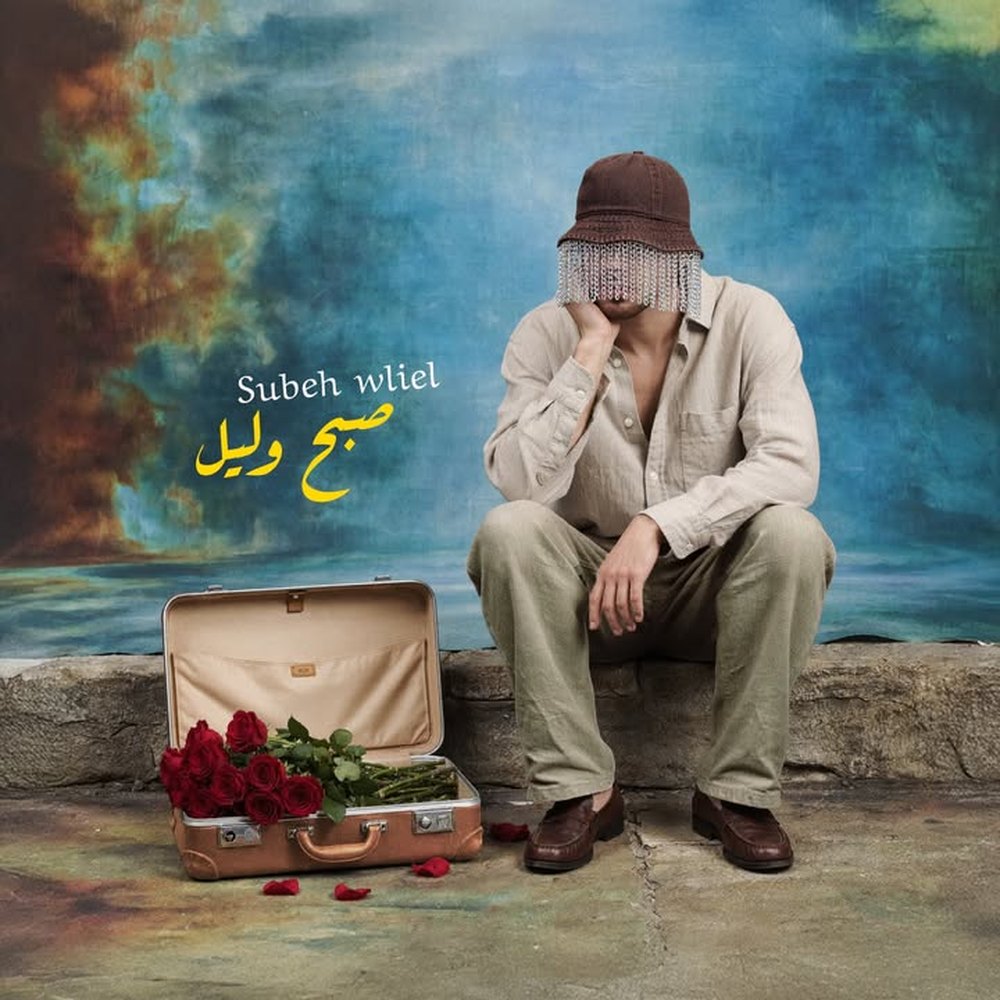
We grow up believing stories obey a contract. Endure enough, suffer enough, love enough, and eventually it will all mean something. The hero bends but doesn't break. The pain becomes necessary. The ending justifies everything that came before it. Then, once in a while, a film refuses. The hero dies. Not because they failed. Not because they deserved it. The story simply reaches its end before they do. The credits roll with questions still unanswered, and the world keeps moving as if resolution was never part of the bargain. That feeling lingers longer than the death itself. It forces a quieter thought: maybe we've been living by the same unwritten script. Maybe we keep convincing ourselves that every loss is setting up a comeback, every heartbreak is building toward redemption, every sacrifice is waiting to be rewarded. As though life is secretly editing itself into something satisfying. But life isn't an audience. It doesn't care about symmetry. It doesn't owe anyone a final act where everything makes sense. Batal el Film lives inside that uncomfortable truth. It isn't about giving up, or believing nothing matters. It's about understanding that meaning was never hidden in the ending. A life isn't measured by whether the hero survives it, but by the impossible decision to keep becoming that hero anyway—to love knowing it may break you, to fight knowing you may lose, to build something knowing you may never see it finished. Maybe that's what makes someone the hero in the first place. Not that they win. Not even that they're remembered. Only that, for a while, they carried the story forward.